

Porsche * Dreamers On
Dreamers On is not a typical automotive film.
Created for Porsche Italia and directed by Giada Bossi, the piece unfolds more like a portrait — shaped by movement, voice, memory, and internal drive rather than by the car itself.
For this project, Superquiet developed the original music and sound design, creating a sonic structure that became deeply tied to the rhythm and emotional architecture of the final edit.
Project Info
Client Porsche Italia – Direction Giada Bossi – Production Whitstand Film
Services Sound Design / Original Music – Format Branded Film / Editorial Campaign
The Challenge
The goal was to build a soundtrack that could support the film’s visual identity without relying on familiar automotive clichés.
Rather than pushing toward something loud or overly descriptive, the approach focused on breath, tension, and propulsion — creating a sonic language that could feel intimate, suspended, and cinematic while still carrying momentum.
Because the edit was still open during the early stages of the process, the soundtrack also needed to remain flexible enough to help shape the film as it evolved.
The Approach
The music was developed in three distinct sections: an opening state, a suspended middle passage, and a final emotional climax.
To keep the process open and responsive, multiple variations were created for each section before the edit was fully locked. This allowed the music to function less as a fixed composition and more as a modular structure the film could grow around.
Once the strongest combinations emerged, the selected sections were refined to strengthen pacing, dynamic contrast, and the relationship with the voice-over.
“This was not a film built around the car, but around movement, memory, and inner propulsion.”
Music, Edit, and Voice
A central aspect of the project was the way the edit ultimately followed the music, allowing the soundtrack to shape the internal movement of the film.
The voice-over acts as a guiding force throughout the piece, and the sonic work was designed to support that direction without overwhelming it.
Moments of silence and suspension were used deliberately, giving the film room to breathe before opening again into musical crescendos and transitions.
In the final section, sparse percussive elements were introduced to sharpen the rhythmic lift and help carry the film toward its closing emotional release.
Sound Design as Transition
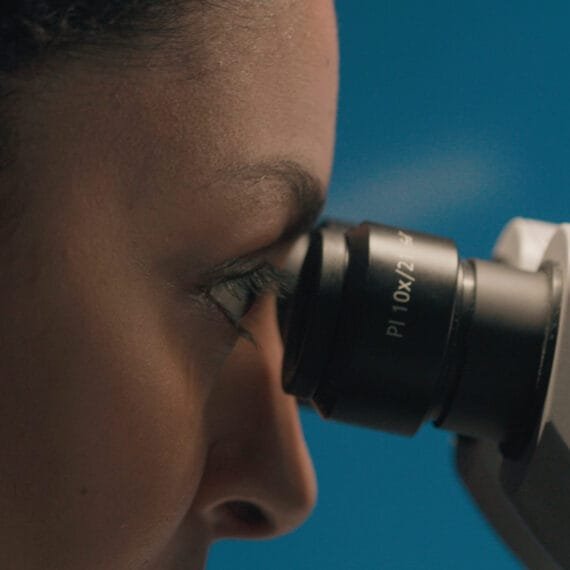
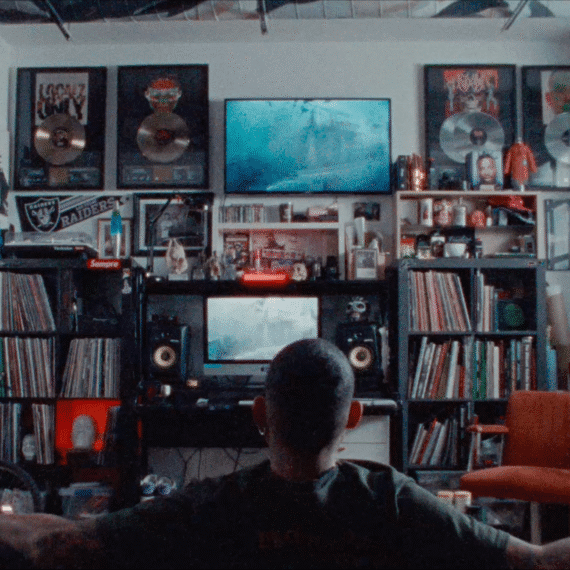
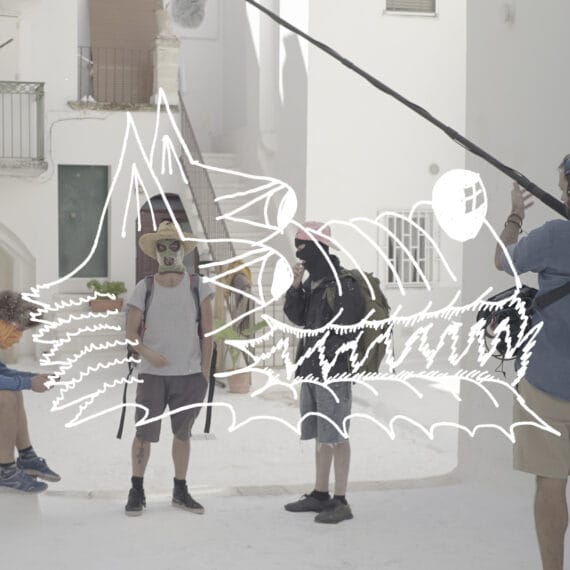
The visual language of the film moves between polished cinematic footage and more intimate lo-fi textures, including analog shots, photographic fragments, and memory-like transitions.
The sound design was developed to move fluidly through these shifts, using textural gestures and swirling transition elements to connect sections and extend momentum across cuts.
Rather than functioning as isolated effects, these sounds act as connective tissue — helping the piece dissolve, re-form, and continue moving.
Outcome
The final result is a soundtrack that moves between memory and momentum, balancing intimacy with controlled tension.
By treating music and sound design as part of the film’s internal structure — rather than as a layer added afterward — Dreamers On finds a sonic language that feels more human, more elastic, and more emotionally precise.
A piece shaped not by spectacle, but by breath, motion, and inner propulsion.
Looking for a sonic language for your next visual project?